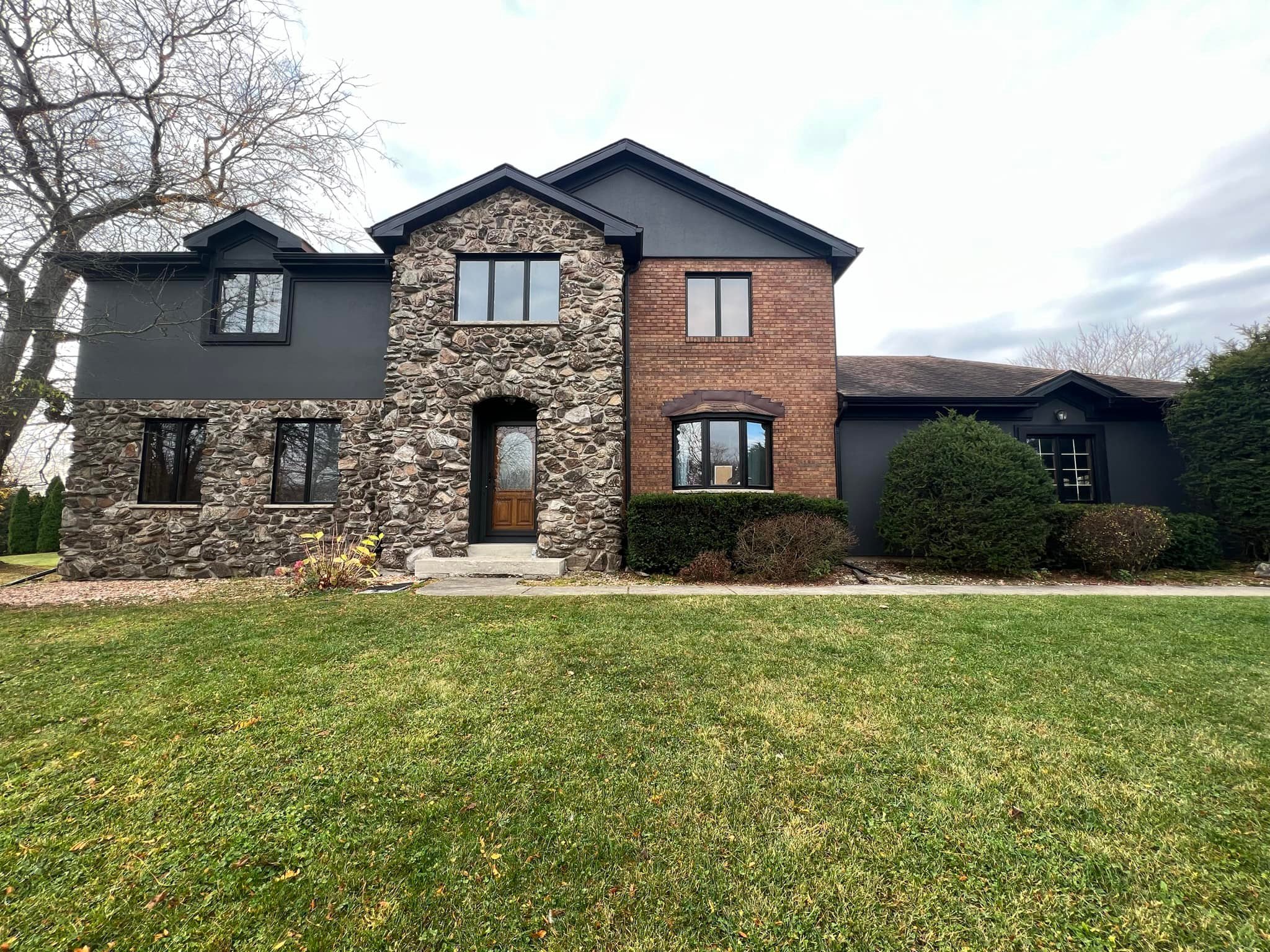
Color Psychology: How the Right Shades Can Influence Your Mood at Home Nov 25, 2025
Color psychology revolves around how different hues can evoke specific emotions and responses. This idea is crucial when selecting paint colors for your home, as the right shades can significantly impact your mood and well-being. The connection between color and emotion is a well-studied field that offers insight that can be applied to enhance everyday spaces.
Warm colors, such as reds, oranges, and yellows, are typically associated with warmth and stimulation. These hues can invigorate a space, making them ideal for living rooms or areas where you entertain guests. Red, for instance, is linked to energy and passion, which can inspire spirited conversation and conviviality. However, using too much of a bold color can sometimes feel overwhelming, so it's wise to pair it with neutral accents to create balance.
Cool colors, like blues and greens, tend to have a calming effect. A light blue room can evoke the serenity of the sky or sea, making it a perfect choice for a bedroom or bathroom where relaxation is key. Green, often associated with nature and tranquility, is believed to promote restfulness and recovery, making it an excellent option for spaces meant for unwinding.
Neutral tones, such as white, gray, and beige, serve as versatile backdrops that can complement any design style. These colors are known for their ability to create a sense of space and airiness. Whites and light grays are particularly popular for modern minimalist designs because they exude cleanliness and simplicity. Moreover, they allow bold accents in furniture and décor to stand out, giving you the flexibility to refresh the look of a room without completely overhauling it.
Interior design trends frequently change, but understanding the psychology of color allows you to make choices that transcend fleeting fashions, focusing instead on creating an environment that best suits your lifestyle and personality. For example, if you find yourself happiest in bright, energetic environments, consider incorporating cheerful yellows or uplifting oranges into high-traffic areas of your home.
When it comes to choosing the right shades, it's important to consider the function of each room. A study or home office might benefit from blue tones that are known to stimulate focus and productivity, while dining rooms could be enhanced by stimulating colors like red, which is said to increase appetite and facilitate engaging conversations.
In conclusion, using color psychology in home design is about matching colors to your emotional and functional needs. At Harrison Painting & Design, we are committed to helping you select the perfect shades that not only look stunning but also create an atmosphere that feels just right for you. By understanding and applying these principles, you can transform your home into a sanctuary that profoundly mirrors your mood and enhances your everyday life.
These insights not only uplift the aesthetics of your interiors but also play a pivotal role in improving your quality of life. If you're ready to explore the world of color and its potential to shape your environment, our team at Harrison Painting & Design is here to guide you every step of the way. Let us help you paint your world, beautifully.
/filters:no_upscale()/filters:format(webp)/media/bdce616b-8502-4b11-b8b7-dd6c921a8467.jpeg)
/filters:no_upscale()/filters:format(webp)/media/7277ce99-5c54-40a4-bf23-4cbc83fadcf8.jpg)